You know the moment. You find a hotel at $119 a night and feel like you won. Then checkout shows a destination fee, overnight parking, and a cleaning charge, and your “cheap” weekend costs twice what you planned.
That’s why I stopped judging trips by the room rate. The number that matters is the total: getting there, sleeping, eating, parking, and the few things you actually pay to do.
The 15 places below hold up under that test. Some are cities where the best things are free, some are outdoor spots where the kids burn off energy for the price of gas, and a few are beach towns where you don’t need a resort. To keep it real, I’ve also pulled in what families who’ve actually been there say, with credit to the people who wrote it.
Which kind of weekend does your family need?
- Walk, eat, and keep it cheap: Pittsburgh, Philadelphia, Richmond
- Outdoors without paying for every activity: Chattanooga, Asheville, the Black Hills
- A beach without a resort bill: Gulf Shores, Virginia Beach
- Slow small-town pace: Lancaster, Hot Springs
- Scenic road trip: The Finger Lakes, the Ozarks
- Big-city fun, smaller-city prices: Milwaukee, Providence, St. Louis
The 4-line weekend math (do this before you book)
- Getting there: gas, tolls, or train tickets, round trip
- Sleeping: nightly rate × nights, plus taxes, parking, and cleaning or resort fees
- Eating: a daily number for the whole family
- Doing: only the paid things you’ll really use
If lines 1 and 2 already eat most of your budget, pick somewhere closer.
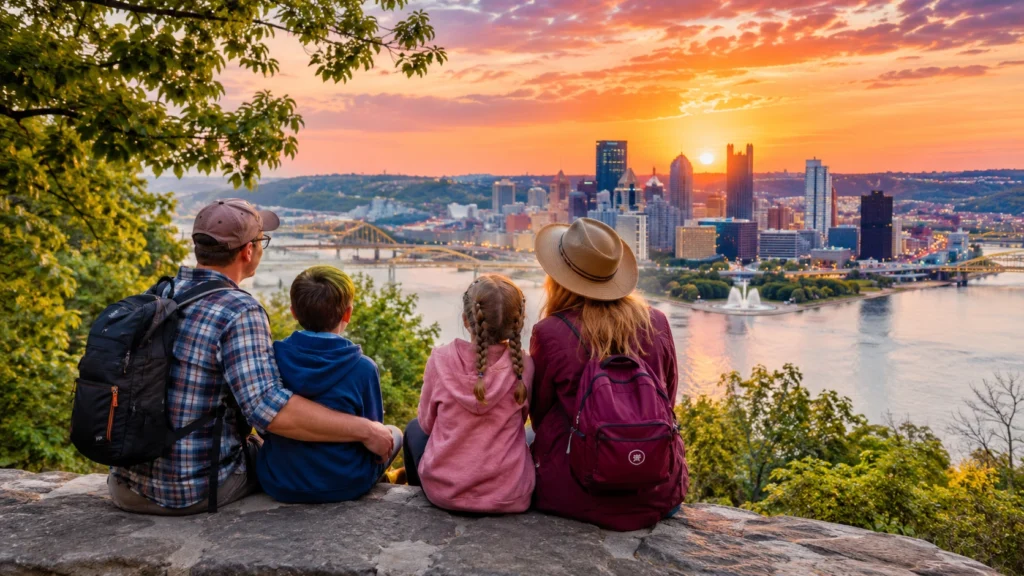
1. Pittsburgh, Pennsylvania: A Big-City Weekend Without the Big-City Bill
Pittsburgh doesn’t get the hype it deserves. It’s hilly and full of bridges, and you can eat well for a lot less than you’d pay in Philly or D.C.
Start at Point State Park, where the three rivers meet, then ride one of the city’s inclines for the skyline view. Spend an afternoon grazing through the Strip District.
What real families say: One family blogging at Money Saving Mom said the Duquesne Incline views were a highlight and spent time in the Strip District picking up coffee, tea and small treats. They also admitted the kids were “museum-ed out” by that point and begged for a day without museums, a good reminder not to overschedule. Another mom at Jolynne Shane planned her family’s weekend around a Pirates game at PNC Park, and even in damp, humid weather they made the most of it. Their favorite family photo came from the observation deck at the top of the Monongahela Incline.
Keep costs down: Weekends with big Steelers, Pirates, or Penguins home games push hotel rates up, so check the schedule first. Ask what downtown parking costs before booking.
2. Chattanooga, Tennessee: Outdoors Without the Admission Line
The best parts of Chattanooga cost nothing. You can walk the Walnut Street Bridge across the Tennessee River, follow the riverfront trails, and play in Coolidge Park.
What real travelers say: Ruby Falls’ own budget guide lists the bridge as free, with downtown parking running roughly $4 to $9 and a free shuttle available. A traveler’s weekend guide on Thatch notes that the bridge walk takes about 35 minutes there and back, so pack water and don’t rush it. A Tennessee mom writing at Suburban Turmoil said the kids’ reward after crossing the bridge and exploring the North Shore was running off steam at the aquarium plaza.
The big paid attractions (Rock City, the Incline Railway, the aquarium) are fun, but they add up fast. With a family, pick one and let the rest be walks and picnics.
Worth knowing: Check weather and trail conditions before a longer hike, since summer storms and winter ice change plans quickly.
3. Philadelphia, Pennsylvania: History and Food Without a Car
Philly works great without a car. Take the train or bus in and use local transit.
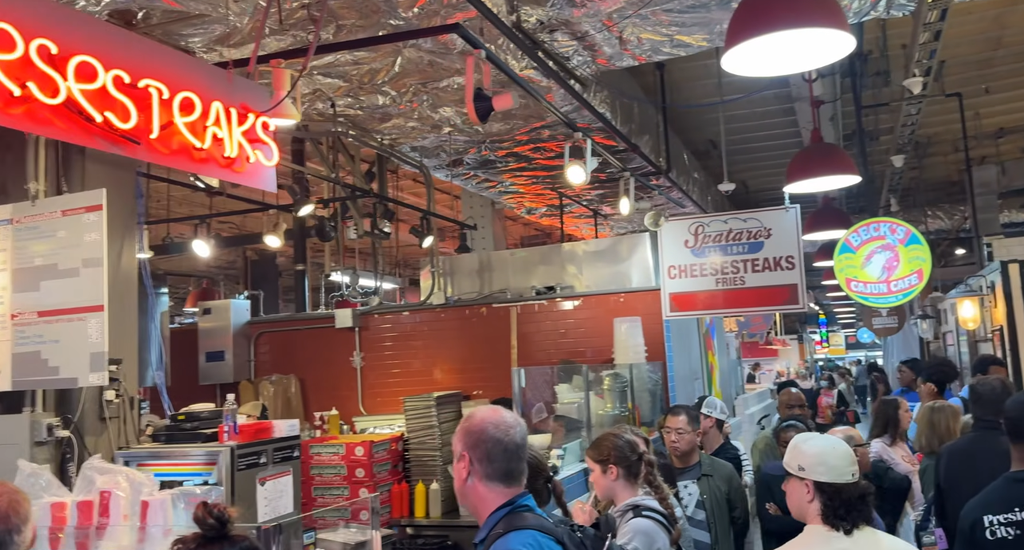
Eat at Reading Terminal Market, where everyone can pick something different. See the Liberty Bell, which doesn’t need a timed ticket. For Independence Hall, reserve free timed tickets on Recreation.gov; there’s a $1 handling fee, and tickets can be booked about a month ahead. Local reporting notes that peak-season tickets can be hard to get on the day, so book early. At the Benjamin Franklin Museum, the National Park Service lists $7.50 for adults and $5 for kids 4 to 16.
Budget move: Stay near a subway or trolley line, even if the room is farther from the center. You’ll save more on parking than you lose in walking.
4. Hot Springs, Arkansas: A Weirdly Cool Little Town
Hot Springs is a small town built around natural thermal springs, with a row of historic bathhouses inside a national park. There’s no entrance fee to the park.
What real families say: A Tripadvisor reviewer who visited with kids aged 9, 6 and 3 said all three finished the Junior Ranger booklet and that the ranger at the visitor center was great with them. Feeling how hot the water actually is was the part that stuck with them. A mom at Mommy Poppins described rolling up to find lines of people filling jugs at the public fountain, and said she and her kids agreed it was the best water they’d ever had. Another family blogger at Crazy Family Adventure said her kids were hesitant at first but tried the thermal water at the gift shop fountain. She also warned that the water is hot, so supervise little hands.
You can fill jugs from the public fountains for free. Save the paid bathhouse soak for one splurge. One reviewer suggests the city garage on Exchange Street as the easiest place to park.
One thing to check: Treatments cost extra, and some bathhouses don’t allow young children, so check before you plan a family soak.
5. Richmond, Virginia: Murals, Parks, and Free Museums
Richmond feels lively without feeling overwhelming. The Fan and Carytown have the restaurants and shops, and street art is all over the place, which makes it a fun walk for kids.
Two free things I’d put on any itinerary: general admission at the Virginia Museum of Fine Arts, and Maymont, a park and estate. Add Belle Isle on the James River and you’ve covered most of a weekend for the cost of a few meals.
Save money here: Pick one neighborhood per day. Hopping all over town is where the rideshare charges sneak in.
6. Lancaster, Pennsylvania: Slow Down for a Weekend
If your dream weekend is a quiet drive, a farm stand, and no itinerary, Lancaster fits. Visit Central Market, drive the back roads through Amish Country, and eat somewhere family-run.
Before booking: Lancaster is spread out, so choose lodging close to where you’ll spend time. Without a car, it’s a hassle.
7. Gulf Shores, Alabama: Beach Time Without the Resort Bill
Gulf Shores gives you white sand and warm Gulf water at a lower price than the most famous Florida beaches. The beach is free, and Gulf State Park adds trails and wildlife.
The big expense is where you sleep. Look at condos or simple hotels a few blocks back from the water.
A practical tip: Compare the total price, including cleaning fees, parking, and minimum-night rules. A cheap nightly rate with a $150 cleaning fee isn’t cheap for two nights.
8. Virginia Beach, Virginia: A Beach Trip With Options
Virginia Beach is a good pick when you can’t decide between a beach day and doing something else. The boardwalk is great for morning walks, and First Landing State Park has shaded trails away from the crowds.
Summer weekends are pricey and packed. Late spring or early fall is warm enough for the beach, with lower rates.
Budget move: Stay a few blocks off the oceanfront and compare the cost of garage parking against walking distance.
9. Asheville, North Carolina: Mountains Without the Fancy Price Tag
Most of what’s good in Asheville is free. The Blue Ridge Parkway has overlooks and short trails that cost nothing, and downtown is fun to wander. Skip the big-ticket attractions and spend that money on one good dinner.
One catch: Peak fall foliage weekends send prices up fast. Late spring or early winter is much cheaper.
10. The Finger Lakes, New York: Lakes, Waterfalls, and Scenic Drives
This region is a string of deep lakes, small towns, and waterfalls. Watkins Glen and Taughannock Falls are the headliners, and state parks usually charge small fees, often just for parking.
Wineries can eat your budget, but you don’t have to go. Pack a picnic and spend the time on lake views and trails.
Best approach: Pick one lake as your base. Trying to see them all in a weekend means a lot of driving.
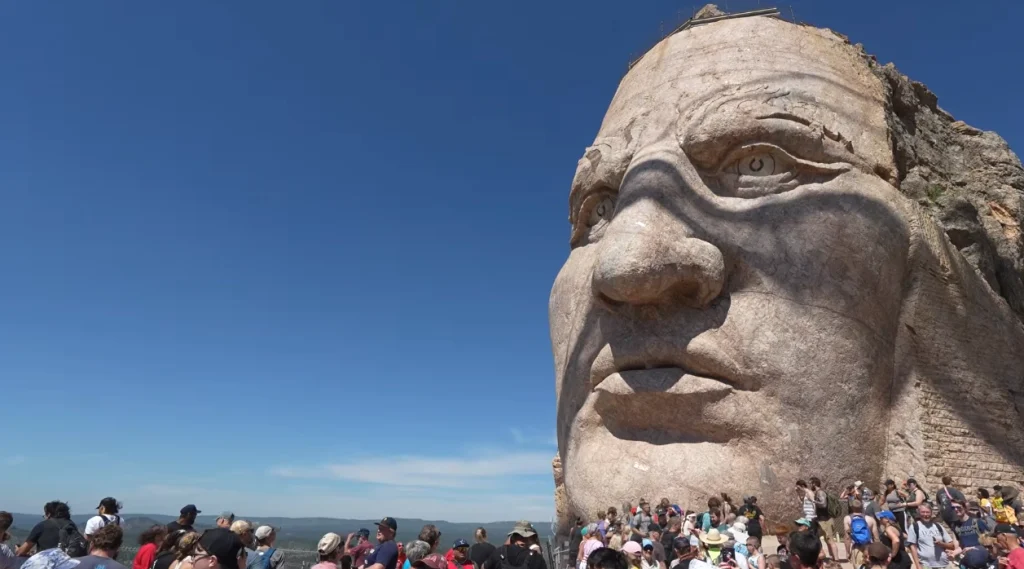
11. The Black Hills, South Dakota: A Road Trip for Nature Lovers
The Black Hills are for families who like scenery more than shopping. Between Custer State Park, Needles Highway, and Mount Rushmore, you can fill a weekend with views and wildlife.
What real travelers say: One Tripadvisor-style review on Roadtrippers described a bison herd crossing the road while they sat for about 30 minutes, and one animal even licked their truck. Forum parents planning with 7- and 10-year-olds were consistent in their advice: do Custer State Park as many times as you can, and take the Wildlife Loop near dawn or dusk. A South Dakota blogger who spent a long weekend mostly in Custer with his family said the hiking and wildlife were what made it special. One reviewer disagreed, saying it felt expensive to see bison far off in the distance, so go in with realistic expectations.
Know the fees: Mount Rushmore has no entrance fee, but you pay to park (about $10 per vehicle at last publication, valid for a year; annual national park passes don’t cover it). Custer State Park charges a vehicle entrance fee, and reviewers mention a 7-day pass of around $25.
Budget consideration: Splitting a cabin with another family makes this trip much cheaper per person. Needles Highway has narrow tunnels, so check vehicle width if you’re driving an RV or large truck.
12. The Ozarks, Missouri and Arkansas: Lakes, Caves, and Quiet
If your ideal weekend is a cabin, a lake, and not seeing many people, the Ozarks deliver. The Buffalo National River is great for paddling or hiking, and the small towns have plenty of places to eat.
Check before booking: Compare the all-in price, not the advertised nightly rate. Cabins can add cleaning fees and two-night minimums.
13. Milwaukee, Wisconsin: A City Weekend That Feels Easy
Milwaukee is friendly and cheaper than Chicago, which is only about 90 miles south. Walk the lakefront, grab cheese curds in the Third Ward, and browse the Milwaukee Public Market. Check which museums have free days and look at the summer festival calendar.
Money-saving idea: If you live within a few hours, driving beats flying by a lot.
14. Providence, Rhode Island: Small, Walkable, and Surprisingly Good
Providence is tiny, which makes it great for a weekend. Walk the historic streets of College Hill, eat your way through Federal Hill, and soak up an arts scene that feels bigger than the city.
If you can time it with WaterFire, do it. The free event lights more than 80 braziers on the river from sunset to midnight. The 2026 season has full lightings from late spring into November, so check the WaterFire website for dates.
Plan carefully: Check hotel prices in nearby towns and factor in transportation before deciding where to stay.
15. St. Louis, Missouri: More Free Stuff Than You’d Expect
For families, St. Louis may be the best value on this list. Forest Park is home to the zoo, art museum, history museum, and science center, all free to enter (special exhibits and extras like the carousel cost money). The Gateway Arch grounds and the museum underneath are free too; only the tram to the top costs extra.
One travel writer at Territory Supply points out that the zoo’s own lot can cost around $15, and suggests checking the free lots near the art museum first. Book Arch tram tickets ahead in summer.
A good strategy: Cluster your days around Forest Park and downtown. It’s bigger than it looks, so don’t try to walk everything in summer heat.

How to Keep a Cheap Weekend Actually Cheap
- Transportation first. A cheap hotel doesn’t help if gas, tolls, or tickets eat the savings.
- Check the total. Add taxes, parking, cleaning fees, and resort fees before you book.
- Pick two or three priorities. You don’t need to pay for something new every few hours.
- Check the calendar. Football weekends, festivals, holidays, and peak seasons change prices a lot.
- Plan your meals. Mix restaurants with grocery stops and a simple breakfast.
For more ways to save, see our guide to budget-friendly travel tips. And if you want more ideas, browse our guide to the best weekend getaways in the USA.
Final Thoughts
A cheap weekend doesn’t have to feel like a downgrade. The best accounts I found were from families who picked a place that fit the budget, spent on one or two things that mattered, and let the rest be walks and snacks.
Pick somewhere that fits your starting point and your budget, and be choosy about where the money goes. Two well-planned days can beat a pricey, overpacked trip.
Your turn: What’s the best-value weekend your family has ever taken? Tell me in the comments, and I might add it to the list.
FAQs
The cost depends on where you’re traveling from, when you go, and whether you need a flight or rental car. Nearby cities, outdoor destinations, and places with free attractions can be good starting points.
Set a total budget first, compare transportation and accommodation together, and choose activities before you book. Traveling outside peak dates can also help reduce costs.
They can be, particularly if you travel outside peak summer dates, choose accommodation carefully, and spend more time enjoying public beaches than booking paid activities.
There isn’t one reliable price for every destination. Estimate transportation, two nights of accommodation, food, local travel, and activities separately. Then add a small buffer for unexpected expenses.
It depends on the distance, fuel, tolls, parking, and the number of travelers. Driving can offer better value for a nearby destination, while a long drive may cost more and leave you with less time to enjoy the weekend.