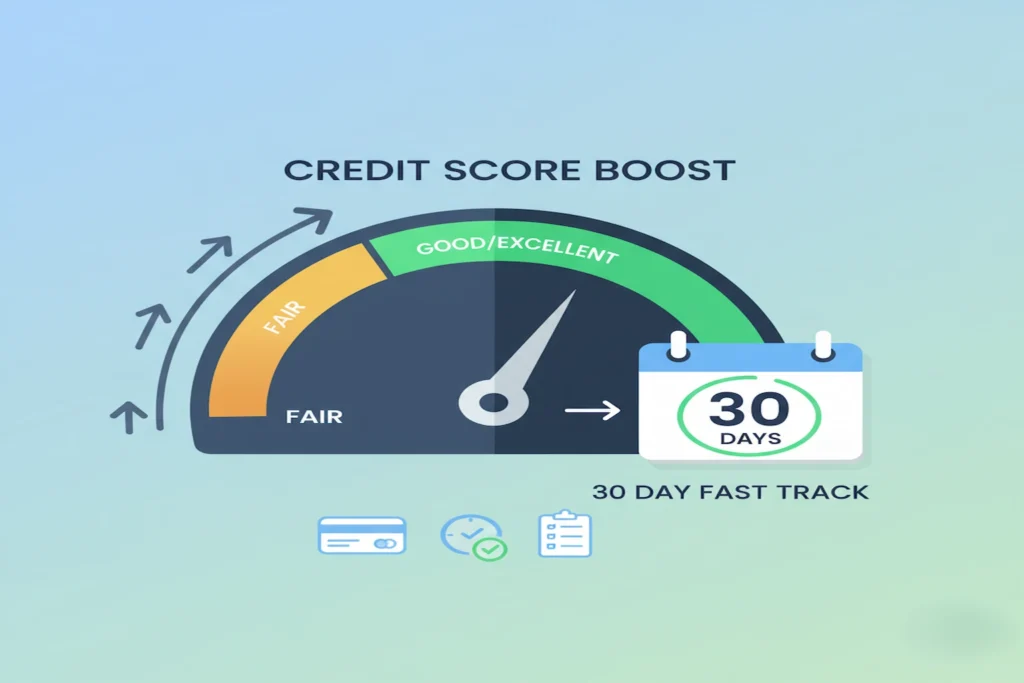

Improving your credit score doesn’t need to take years. In fact, if you take the right actions consistently, you can see results much faster than you think. When people ask me how to improve credit score fast tips, I always say — it’s about doing small but smart things every single week. Your credit report reacts to habits. The goal is to show lenders you’re responsible, consistent, and serious about your financial health.
Below, I’ve shared 25 real-world, human-tested tips that have helped many people boost their credit scores quickly.
25 Verified Tips on How to Improve Credit Score Fast
1. Check Your Credit Report Right Away
Before anything else, see where you stand. Download your free report from Experian, Equifax, or TransUnion. Look for errors, late payments, or wrong limits. Fixing errors alone can boost your score within weeks.
2. Dispute Any Incorrect Information
If you see something wrong, don’t wait. File a dispute online or by mail with the bureau. Sometimes one wrong late payment or an incorrect account can drop your score drastically.
3. Pay Down Credit Card Balances
Your credit utilization ratio matters a lot. Try to keep balances under 30% of your limit or better, under 10%. Paying off just one high-balance card can give a fast score bump.
4. Always Pay on Time
This might sound obvious, but on-time payments make up a big portion of your score. Set reminders or auto-pay. Even one missed payment can hurt more than you think.
5. Ask for a Credit Limit Increase
If your spending habits are stable, ask your card issuer to raise your limit. A higher limit (with the same balance) lowers your utilization ratio, a quick win.
6. Become an Authorized User
If someone with good credit trusts you, ask to be added as an authorized user. Their positive payment history can reflect on your report within a month.
7. Keep Old Accounts Open
Length of credit history matters. Don’t close old accounts, even if you don’t use them much. They show stability and long-term responsibility.
8. Pay Twice a Month
Instead of one large payment, split it into two smaller ones before your billing cycle closes. This keeps your utilization lower when it’s reported.
9. Use a Secured Credit Card
If you’re rebuilding, a secured card is a great start. Use it for small purchases, pay in full each month, and it’ll start building positive history fast.
10. Diversify Your Credit Mix
Having different types of accounts, a card, a personal loan, or an auto loan, can help your score. Lenders like to see you handle varied credit well.
11. Don’t Apply for Too Many Cards
Each hard inquiry drops your score slightly. Only apply when necessary and space them out.
12. Settle Collection Accounts
If you have old collections, settle them or pay in full. Ask for a “pay-for-delete” if possible, some creditors may agree to remove the mark after payment.
13. Use Experian Boost or Similar Tools
Connect your utility or phone bills through credit-building tools like Experian Boost. These report positive payments that would otherwise go unnoticed.
14. Keep Balances Low Across All Cards
Don’t just pay one card. Check all your cards and reduce balances evenly. Scoring models see your total utilization too.
15. Automate Your Payments
Automating bills avoids late payments, one of the biggest things that affect your score. Set autopay for at least the minimum due.
16. Don’t Co-Sign Loans Lightly
If the other person defaults, your score takes the hit. Only co-sign when you can afford to pay it yourself.
17. Negotiate for Goodwill Adjustments
If you have a one-time late payment, call your lender. Sometimes, with a good history, they’ll remove it as a goodwill gesture.
18. Avoid Maxing Out Cards
Using the full limit looks risky to lenders, even if you pay in full later. Stay well below your max.
19. Add Rent Payments to Your Report
Use services that report on-time rent payments to credit bureaus. They help build history if you’re short on open accounts.
20. Keep Checking Progress Monthly
Track your score using free apps or from your card issuer. Seeing small jumps keeps you motivated.
21. Avoid Closing New Accounts Too Soon
New accounts can help if you manage them responsibly. Closing them early cuts your average age of credit.
22. Refinance High-Interest Loans
Lowering your interest rate helps you pay faster. That means smaller balances and better utilization.
23. Make Small Purchases and Pay in Full
Use your cards lightly and pay right after the statement. This shows active, responsible use without debt buildup.
24. Build a Positive Credit History Over Time
Consistency wins. Even small regular payments, like subscriptions or groceries, build a positive pattern.
25. Learn What Affects Your Credit Score the Most
Understand that payment history, utilization, and length of credit history matter the most. Once you know this, you can control what to focus on.
Smart Takeaway: Building Strong Credit That Lasts
Many people wonder how can i increase credit score fast, but the truth is: it’s not about shortcuts; it’s about strategy. Improving your credit isn’t about tricks, it’s about discipline and awareness. Track your report, fix mistakes, and pay smartly. When you understand what affects your credit score the most, you can focus on actions that create real impact. Start by keeping your payments on time, lowering your balances, and checking your credit report regularly.
Small, consistent changes like these add up. Within a few months, you’ll see your score move in the right direction. And once you know the habits that build your score, you can maintain them for years. Remember, your credit score isn’t about perfection, it’s about progress and discipline. Every smart move you make today builds the trust lenders see tomorrow.
Frequently Asked Questions (FAQs)
1. How long does it take to improve a bad credit score?
It depends on your situation. Some people notice results in 30 to 60 days after paying down balances or fixing errors by implementing the Top 7 Smart Ways to Improve Your Credit Score in 30 Days. But for major improvements, it usually takes a few months of consistent effort.
2. Does paying off debt increase your credit score?
Yes, it often does — especially if your credit utilization ratio drops. Lower debt means less risk for lenders, which can raise your score fast.
3. What affects your credit score the most?
The biggest factors are payment history, amounts owed, and length of credit history. Missing payments or carrying high balances can drop your score quickly.
4. Can I raise my credit score 100 points fast?
If you correct major errors, pay off high credit card balances, or remove a collection, a 100-point jump is possible — but not guaranteed. Everyone’s report is different.
5. Is it bad to close a credit card after paying it off?
Usually, yes. Closing it can shorten your credit history and increase your utilization ratio. Keep it open, even if you use it occasionally.
6. Does checking your own credit lower it?
No. Soft inquiries like checking your own score don’t affect your credit. Only hard inquiries, such as loan applications, have a small temporary impact.